Collaborative Projects: How to Write Well with Others

I have written and sold one collaborative novel, and I’m in the middle of writing another, so I have some experience in this sub-specialty of our craft.

Once you’ve gotten past the “Let’s write a novel together!  It’ll be fun/great/a ball!” stage, reality sets in. First of all, forget the idea that it will be less work.  It will take more time and energy total between the two of you to write something than it would if one of you wrote it solo.  You’ll be fortunate if it only takes 150% as much time and energy as a solo work.  Second, this will be different from writing a solo work.  Trust me. Here are some of the practical matters you will need to deal with.  Some of the points are my own observations, and some are gleaned from other authors who do frequent collaborations.

1.  Check your egos at the door.  Really.  You are establishing a relationship here, and although you may or may not be equals in talent, knowledge, skill, and drive, you need to be on a personal basis of honesty, diligence, and compassion.  The old teaching of “Treat others the way you want them to treat you” comes into play.

2.  Determine your collaboration approach.  To steal from my May 28, 2012 Fictorians article “Anatomy of a Collaboration,” you need to settle on an approach like one of these:

  • If sections of the novel require certain knowledge or expertise, one author may write those parts while the other writes the remainder.  This approach seems to be most commonly used when both authors are of similar levels of skill.
  • More commonly, one author will write the first draft, while the other author will do the second pass.  If one author is newer to the craft, he will usually write the first draft while the more experienced/skilled writer will do the final polish/draft.
  • And sometimes one author will look at another and say, “You start,” and the story is built somewhat like a tennis match, with no prior planning to speak of and the authors volleying responses back and forth.  A lot of “letter” stories are actually written that way.

This step is where you agree on how the byline will be styled.  If it’s a senior/junior relationship, the senior author’s name almost always goes first.  This is also where you agree on how the revenue (and any expenses) will be shared.  And even if you’re friends, write it down.  It will save grief later, I promise.

3.  Decide who the tie-breaker will be.  If you arrive at a point where the two of you are in disagreement about something serious and you can’t continue until it is resolved, someone has to break the tie.  Determine who that person is at the beginning of the project.  It may be a senior author.  Or, if you’re writing in a universe created by one of you alone, then that person will probably be the tie-breaker.  But regardless of who it is and how you determined who it will be, if it ever has to be invoked, remember Rule 1 – check your egos at the door.

4.  Do any world-building that has to be done that will be foundational to the story.

5.  If both of you are outliners, you’ll need to write an outline.  If one of you is a pantser, you’ll need to write an outline.  If both of you are pantsers, you’ll really need to write an outline.  Seriously.  If for no other reason than to keep you both facing the same direction.  Especially if you’re doing the “you write this part and I’ll write that part at the same time” thing.

6.  Communicate, communicate, communicate.  Especially about the important stuff, but since it may be difficult to know what will be important twenty chapters down the line, it’s mostly going to be important stuff.

7.  Again, communicate, communicate, communicate.  If you’re the junior author or you’re working in someone else’s universe, don’t be afraid to ask questions.  And if you’re the senior author and/or the universe creator, don’t brush your partner off.

8.  Remember Rule 1.

9.  For the third time, communicate, communicate, communicate.  If there’s one area where collaborations can really be more difficult than solo work, it’s flexibility in dealing with change.  When you’re working on your own, if you get a brilliant idea when you’re 80% done with the work, backing up and rewriting twenty chapters is not so much of a much.  When you’re collaborating, however, especially if you’re using one of the parallel streams-of-creation methods, your idea may blow up your partner’s work in a big way.  So before you do anything with your Grand New Idea, talk about it-in-depth and in detail.  If the decision is Do It, you revise the outline.  You write it down so you can both be in agreement as to what the change is, what the effect is, and who’s doing what to implement it.  If the decision is No, you continue down the existing path with no looking back.

10.  Remember Rule 1.

11.  Set deadlines as to when milestones will be accomplished.  You may or may not attain them, but if you don’t set them, this thing could drag on for a seeming eternity.  As much as possible, hold each other accountable.

12.  Remember Rule 1.

13.  When the first draft is done, review it together.  Decide what needs fixing, and determine who will do it.  Execute the fixes.

14.  Determine early on who will do the final polish to smooth out the edges and establish a consistent voice.  This will usually be the senior author, the writer who owns the universe, the person who’s the better editor, or whoever won/lost the coin flip.

15.  And finally, remember Rule 1.

Okay, that’s probably not everything that needs to be thought about, but it covers the high points. Good luck!
Dos and Don’ts of Working with an Editor

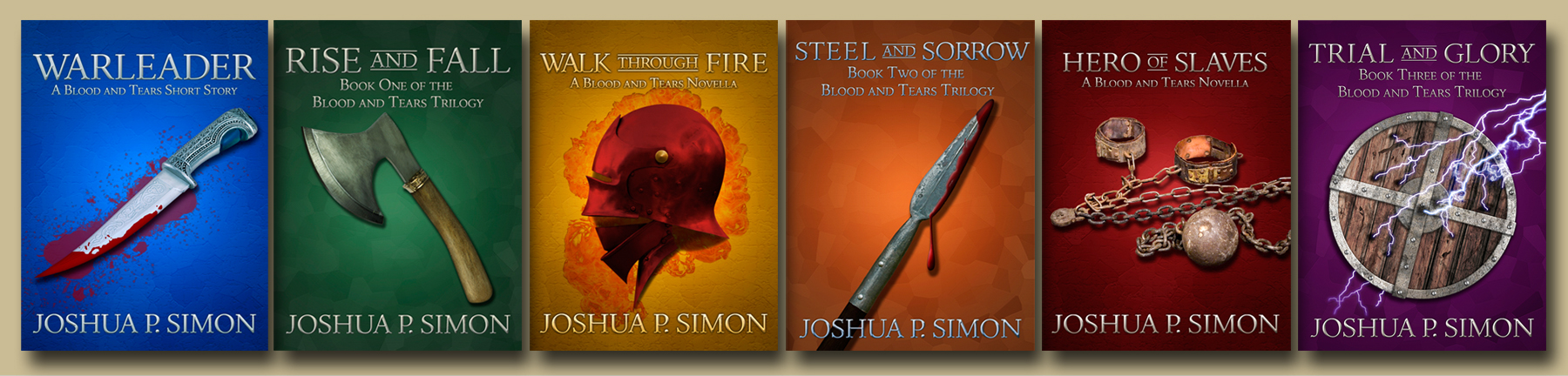
Author, Joshua Simon


There are many things an indie writer needs to consider when looking for an editor. Is the editor capable of providing you with the service you need:  content, line, or copy editing? Does the editor have reputable references? Based on the sample, does the editor’s style suit your own? Can you afford the editor’s service?

I think every writer needs to carefully consider each of the above questions during the selection process.  Though this topic is crucial to every writer, it is one that has been beaten to death.  So, I thought I would discuss what I feel every writer needs to consider after the selection process is complete. Below are my top Dos and Don’ts when working with an editor.

Dos:

  1. Do agree to terms ahead of time.

Be clear on expectations before work begins.

Do you want only that content edit or were you also expecting a copy edit as well?

Do you want the editor to provide a second round of edits in order to proof read your work after you’ve made the previous suggestions provided to you?

Do you need the editor to help you with writing the back cover, marketing materials, a press release, and text for your website?

Most editors probably won’t do all of the above but some might if you’ve discussed the scope of work ahead of time.  Don’t expect an editor to provide extra services (no matter how little) for free after the agreed upon work is completed. Their time is valuable and they have other clients besides you.

  1. Do meet your deadlines.

As I said, you are not your editor’s only client.  The time to schedule an editor is when your book is nearly complete, especially if you’re writing your first book.

Find out what your editor’s schedule is like and how long they think it will take to edit the book, and then plan accordingly. It is not unreasonable to wait weeks or months before an editor can start on your book. Expect the overall editing process to take several weeks or longer once the editor begins work. Variations will exist based on the length of the book, how good of a writer you are, and how many projects the editor works on at once.

As a side note, after you’ve had some experience in completing projects it will be easier to schedule an editor before actual completion.  Even then, I’d recommend giving yourself several weeks or even months of cushion.  It is much nicer knowing you’ve finished early and can get ahead on your next project rather than scrambling to complete something at the last minute and turning in shoddy work.

  1. Do ask for clarification.

Any editor worth their salt will clarify questions you might have on their suggestions. Otherwise, how can you determine if it is a valid change?  If an editor is unwilling to communicate with you in this way after giving you the manuscript back, I’d question using that person again.

  1. Do be prompt with payment.

But what happens if it costs more than I originally expected?  Too bad.

If you go to a car dealership and they give you an estimate for a brake job that later increases by several hundred dollars because things were worse than expected, can you get away with not paying them? Of course not. Can you imagine if your boss decided not to pay you promptly or not at all, and how that would affect your life?

For some editors, this might be their only source of income.  Therefore, don’t be late with their money.

If you decide their services were overpriced and not what you expected then the only thing you can do is not use them for future work.

  1. Do remember that a suggestion for change is not a demand for one.

As the writer, this is your story.  You need to be satisfied with it more than anyone else. Make changes only if you agree it improves the quality of the work. If you can’t make that decision on your own, bring in someone else to give you a second opinion.

I rarely disagree with my editor, but there have been a few times I decided against making his suggested changes.  This is partly because I had received differing opinions from my beta-readers and partly because the change would affect later parts of the story in works he had not yet edited.


Don’ts

  1. Don’t hand over a mess.

Your editor should not be the first person to read your manuscript besides yourself. Employ both alpha and beta-readers.  They will help you smooth out many problems long before your editor gets a hold of your story, especially in the way of content.  If nothing else, this step will help reduce the costs to you. The more time your editor spends cleaning up your mess, the more they will charge.

  1. Don’t expect your editor to do all the work.

Your editor shouldn’t have to re-write your book. They will rewrite sentences as needed, but they aren’t supposed to write chapters or sections for you (unless you’ve agreed they will act as a ghost writer).

  1. Don’t take it personally.

This is all a learning experience and a way to make you a better writer. I’ve improved significantly with each work I’ve turned into my editor, and a contributing factor to my improvement has been his feedback on each story.

Remember, an editor’s reputation will be held against the quality of your work as well. You don’t want an editor to blow smoke up your rear.  You want an editor to be honest about what is good and what isn’t so your story and characters can shine.

  1. Don’t be a jerk to your editor.

Like everything else in life, be professional. If I really have to explain what this means then you probably have bigger problems to worry about than everything I’ve mentioned above.

  1. Don’t lose sight of your ultimate goal.

You want a great book!

Joshua P. Simon is a Christian, husband, father, CPA, fantasy author, and heavy metal junkie. He currently resides in Atlanta, Georgia and hopes that one day he can leave the life of a CPA behind and devote that time to writing more of the ideas bouncing around his ADD-addled brain. You can find out more about him at www.joshuapsimon.blogspot.com.


Book Blast For Ben Wolverton Today!


As announced in yesterday’s post about David Farland’s son, Ben, the Book Blast is here! Please browse the titles and buy for yourself, buy for your friends, and share to everyone you know.

Please note, if you click through the Amazon links embedded below, Dave will get a percentage of ANYTHING else you buy while there!


Kindle Edition
Kindle Edition


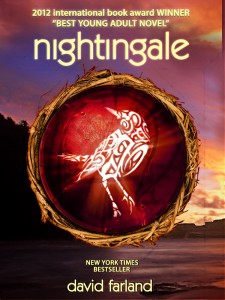
Nightingale

Some people sing at night to drive back the darkness. Others sing to summon it. . . .

Bron Jones was abandoned at birth. Thrown into foster care, he was rejected by one family after another, until he met Olivia, a gifted and devoted high-school teacher who recognized him for what he really was–what her people call a “nightingale.”

But Bron isn’t ready to learn the truth. There are secrets that have been hidden from mankind for hundreds of thousands of years, secrets that should remain hidden. Some things are too dangerous to know. Bron’s secret may be the most dangerous of all.


Kindle Edition
Kindle Edition


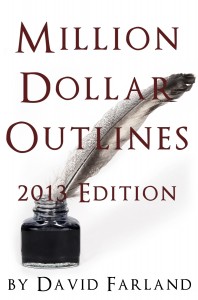
Million Dollar Outlines

If you are a writer, you may want to consider purchasing David Farland’s MILLION DOLLAR OUTLINES. It has been a bestseller on Amazon for over a month and is only $6.99.

As a bestselling author David Farland has taught dozens of writers who have gone on to staggering literary success, including such #1 New York Times Bestsellers as Brandon Mull (Fablehaven), Brandon Sanderson (Wheel of Time), James Dashner (The Maze Runner) and Stephenie Meyer (Twilight).

In Million Dollar Outlines, Dave teaches how to analyze an audience and outline a novel so that it can appeal to a wide readership, giving it the potential to become a bestseller. The secrets found in his unconventional approach will help you understand why so many of his authors go on to prominence.


For updates on Ben’s condition, the details of what happened, or to make a donation please visit the site James Duckett was kind enough to build here.

Book Bomb For Ben Wolverton

Ben

I would like to briefly interrupt our regular schedule today to talk about something that happened last week. David Farland’s son, Ben, age 16, was in a serious long-boarding accident on Wednesday the 4th.

Imagine the worst skateboarding accident you can without cars, or guns, and there you have it. His list of injuries is staggering: brain trauma, internal bleeding, bruised lungs, blown eardrum, broken pelvis, broken tailbone, crushed vertebrae, cracked skull . . . He is currently in a coma.

His family does not have insurance.

Dave is one of the best guys I know. He’s mentored, and taught, and helped out more students and aspiring writers than any person I know. Personally, I would not have been as happy or as successful without him. I know I’m a better person for having him in my life; let alone a better writer and editor. He’s one of the good guys. He’s one of the ones who honestly cares.

Turns out that early estimates of the medical bills are as staggering as the injuries, so we are helping with a book bomb on Ben’s behalf.

You can learn more about Ben’s condition, or simply donate to the Wolverton family here.

WHAT IS A BOOK BOMB?

A Book Bomb is an event where participants purchase a book on a specific day to support the author, or, in this case, a young person in serious need: Ben Wolverton.

WHAT BOOK SHOULD I PURCHASE?

David Farland’s young adult fantasy thriller NIGHTINGALE has won 7 awards, including the Grand Prize at the Hollywood Book Festival–beating out all books in all categories. It is available as a hardcover ($24.99), ebook ($7.99), audio book ($24.99), and enhanced novel for the iPad ($9.99).

You can purchase it on AmazonBarnes and Noble, and on the Nightingale website.

Or, you can get the enhanced version, complete with illustrations, interviews, animations, and its own soundtrack, through iTunes.

WHAT IS IT ABOUT?

Some people sing at night to drive back the darkness. Others sing to summon it. . . .

Bron Jones was abandoned at birth. Thrown into foster care, he was rejected by one family after another, until he met Olivia, a gifted and devoted high-school teacher who recognized him for what he really was–what her people call a “nightingale.”

But Bron isn’t ready to learn the truth. There are secrets that have been hidden from mankind for hundreds of thousands of years, secrets that should remain hidden. Some things are too dangerous to know. Bron’s secret may be the most dangerous of all.

IS IT GOOD?

In short, yes.

Authors such as James Dashner (The Maze Runner), Brandon Sanderson (Mistborn), and Paul Genesse (Iron Dragon series) all praised it. Nightingale has 4 and a half stars on Amazon.  But just go buy it tomorrow and find out for yourself.

WHAT IF I ALREADY OWN NIGHTINGALE? OR I’M NOT INTERESTED IN IT?

If you are a writer, you may want to consider purchasing David Farland’s MILLION DOLLAR OUTLINES. It has been a bestseller on Amazon for over a month and is only $6.99.

As a bestselling author David Farland has taught dozens of writers who have gone on to staggering literary success, including such #1 New York Times Bestsellers as Brandon Mull (Fablehaven), Brandon Sanderson (Wheel of Time), James Dashner (The Maze Runner) and Stephenie Meyer (Twilight).

In Million Dollar Outlines, Dave teaches how to analyze an audience and outline a novel so that it can appeal to a wide readership, giving it the potential to become a bestseller. The secrets found in his unconventional approach will help you understand why so many of his authors go on to prominence.

Get it on Amazon, or on Barnes and Noble.

Check out the reviews. Is it worth it? Again, yes.

CAN I JUST DONATE MONEY?

Yes. You can donate money to Ben here. Or you could purchase a book as a gift for someone else!

I WANT TO HELP BUT I DON’T HAVE ANY MONEY!

The best way you can help is by spreading the word of Ben’s donation page and the book bomb tomorrow, Wednesday April 10th. Share it on facebook, twitter, pinterest, your blog-anywhere you can.

TELL ME MORE ABOUT BEN. WILL HE BE OKAY?

David Farland has been keeping everyone posted on facebook. Subscribe or friend him to get up-to-date information. At the moment, Ben is stable and appears to be improving.

Thank you! Just keep those wishes, hopes, prayers, flowers, cheers and skols flowing.